Jane Austen: out and forthcoming
Writings to look for. But qualities of Austen too!

With the holidays here (i.e., the planning, purchasing, cooking, decorating, and just a taste of real social life with 3-5 people), there is no new writing for this week, but an actual “newsletter.” Imagine.
I’ve been teaching and writing on Jane Austen for more than ten years now, and two of my projects on Austen are coming to a happy close. One small in scale but totally new for me: a group-writing project. The other, all too recognizable in its intractable huge scale and (inarticulably private) ambition.
In Spring 2019 I got to teach a Masters Seminar on Austen — with a philosophical topic — called “Austen and the Ordinary.” About half the students in that class worked together with me to group write an essay, which is now available in the new Winter issue at the official JA Society journal, Persuasions On-Line.
"Lady Catherine, Out of Order"
My principle co-author, Emily Thibodeau, writes a better blurb and abstract than I can, with the invitation: “Read all about why embarrassing rich people is important philosophical work in ‘Lady Catherine, Out of Order.’”
Then, sometime next year (I think, I hope) my book, Jane Austen and Other Minds: Ordinary Language Philosophy and Literary Fiction, will be out in the world. The book is being published by Cambridge University Press. I am really gratified that it will appear in the distinguished “Cambridge Studies in Romanticism” series, edited by James Chandler.
Acknowledgments are all written! It’s being indexed over break. And not by me!
Here is the long blurb. There are also medium and short blurbs at 50 word increments, like three nesting dolls.
Jane Austen’s fiction is itself philosophy, a fact to which Stanley Cavell attested when he honored his philosophical teacher, J.L. Austin, through homage to her and her work. Engaging equally in criticism and philosophy, Jane Austen and Other Minds demonstrates the standing of Austen’s fiction as a philosophical investigation both in its own right and as a resource to ordinary language philosophy in the twentieth and twenty-first centuries. Eric Lindstrom addresses a long-standing shortcoming of Austen scholarship by locating in her fiction a linguistic phenomenology available to the novelistic everyday but not afforded her in intellectual history. He simultaneously advances recognition and understanding of J. L. Austin and Stanley Cavell, and of ordinary language philosophy, within Austen scholarship and the broader field of contemporary literary studies. This book argues compellingly for Cavell’s choice of Austen as a means to pursue “passionate exchange”, dispelling her common association with restriction and confinement.
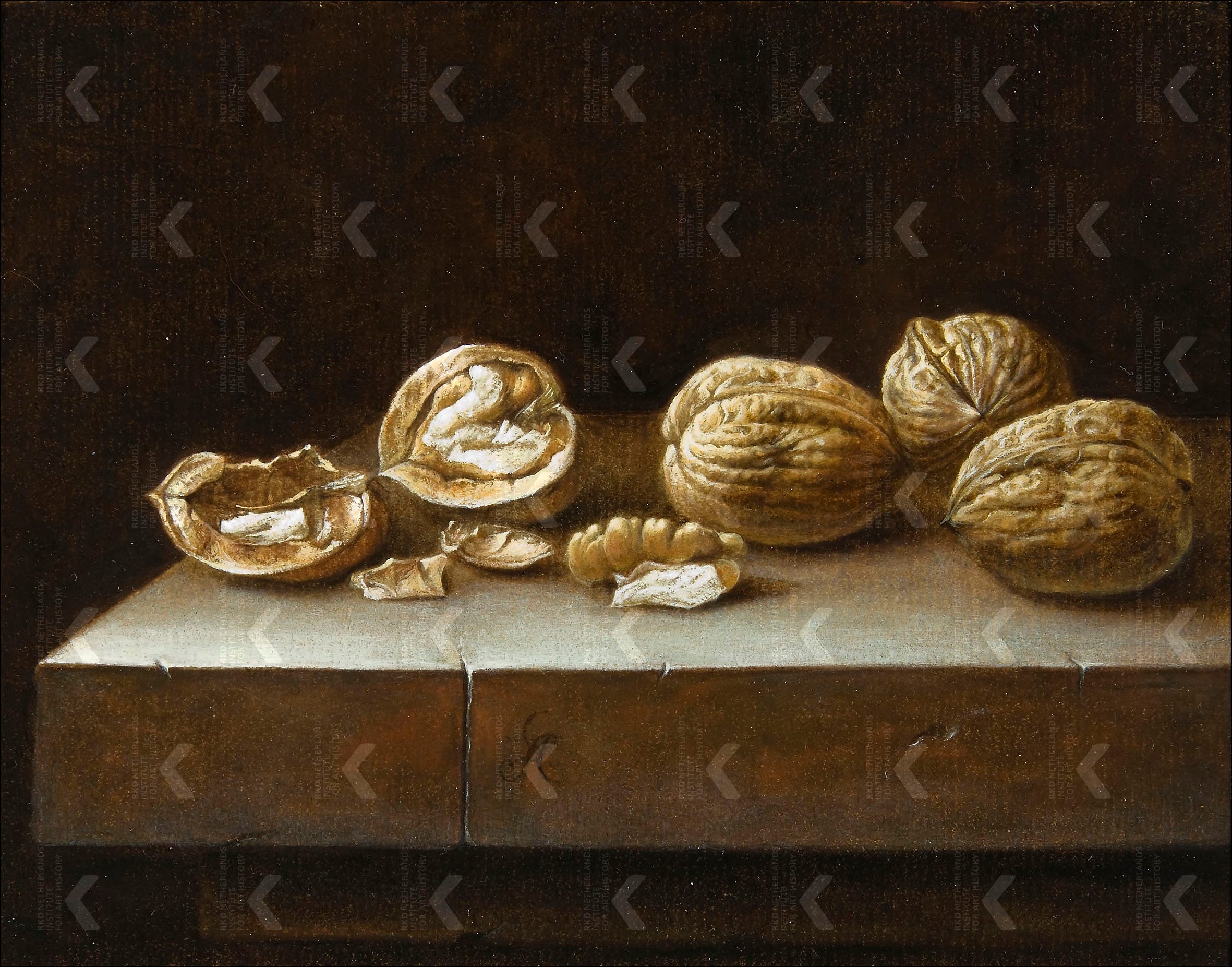
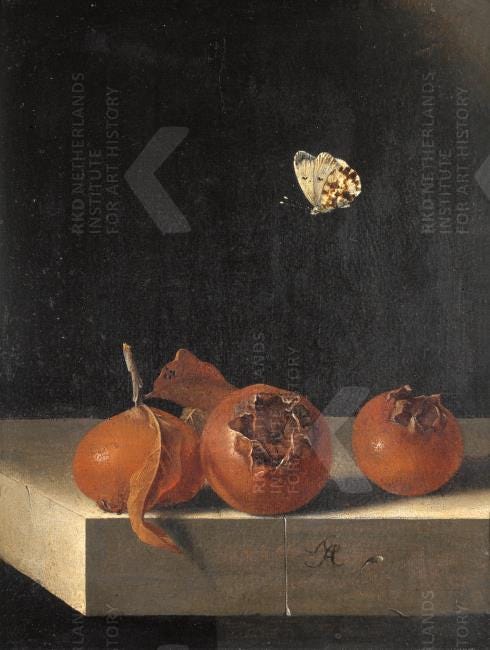
With any luck, you can also look for Jane Austen and Other Minds with one of these two options for cover art. Let me know if you *strongly* prefer the nuts or the medlars (a fascinating fruit to look up):